



EMF Weekend Reset
Create a calmer-feeling bedroom—without special tools or remodeling.
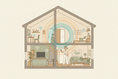
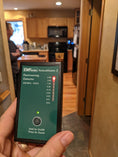
Ready to make a few practical changes to your bedroom this weekend? EMF Weekend Reset guides you through simple steps to assess your space and create your own “EMF green zone”—using everyday items and changes you can make without taking on a renovation.
Designed especially for women who want a clear, manageable place to start, this course keeps the process approachable and focused. You’ll learn how to look at your bedroom setup, identify changes to consider, and make a personalized reset plan that fits your home and routine.
No special tools. No remodeling. Just a practical weekend plan to help you feel more informed and intentional about your space.
Note: The course offers practical guidance, not a guarantee of health effects or EMF elimination.
Educational disclaimer: This course is for general educational purposes and is not medical advice. It does not diagnose, treat, or prevent any medical condition. Individual responses to environmental exposures vary. Consult a qualified healthcare professional regarding personal health concerns.
Easy Swap
Swap your standard bulb for a circadian friendly light.
Protect. Your Sleep
No Blue Light
Many 5 Star Reviews
Trusted by parents all
over the country.
- Blue-Free
- Low Flicker
- Low EMF
- Made with Health in Mind
FAQs
FAQs
Red & Amber Light FAQs
Why Should I Use Red or Amber Lights at Night?
Because your body wasn’t built for blue light after dark.
Red and amber lights mimic the natural spectrum of firelight—free of melatonin-disrupting blue wavelengths. That means your body can wind down naturally, produce the melatonin it needs, and enter deep, restorative sleep. Whether you're reading, relaxing, or getting up to use the bathroom, red and amber lights support your circadian rhythm instead of fighting it.
How Are Red and Amber Lights Different?
Think of amber as calm and cozy, red as pure sleep sanctuary.
- Amber lights are great for evening use, reading, and general wind-down lighting. They’re softer than regular bulbs but still give you plenty of visibility without disrupting sleep.
- Red lights block even more of the blue and green light spectrum—perfect for late-night use, nurseries, or any place you want to create a deeply restful environment.
Where Should I Use These Lights in My Home?
Anywhere you want nighttime light without sacrificing sleep.
We offer solutions for every space:
- Standard Bulb Replacements: Easily swap out overhead lights or bedside lamps in bedrooms, bathrooms, or hallways.
- Reading Lights: Clip-on or handheld red/amber lights make evening reading sleep-safe and eye-friendly.
- Desk & Nightstand Lamps: Ideal for evening work or journaling without flooding your space with harsh overhead light.
- Nightlights for Kids' Rooms & Bathrooms: No more blasting your child with blue light at midnight—our nightlights offer a gentle glow that won’t interrupt their melatonin or sleep cycles.
- Cordless, Motion-Sensing Lights: Place them in hallways, bathrooms, closets, staircases, or RVs—anywhere you need low-impact, automatic light that protects your rest.
Do I Still Need to Wear Blue Light Blocking Glasses If I Use Red or Amber Lights?
Not if you fully light your space with red or amber.
When your entire environment is lit with red or amber lighting, you’ve created a blue-light-free zone. That means you can go without glasses. But if you're around screens or bright white lighting elsewhere (think: restaurants, airports, late-night TV), blue light blocking glasses are still a smart tool.
Are These Safe for Kids and Babies?
Yes—and they’re actually better for them.
Children’s eyes are even more sensitive to blue light than adults’. Red and amber lights create a calm, sleep-friendly environment without stimulating their brains. Our plug-in and motion-sensing nightlights are perfect for bedtime routines, middle-of-the-night feedings, and bathroom trips—without waking them up too much or throwing off their circadian rhythm.
Do These Fit in Regular Light Fixtures?
Yes!
Our red and amber bulbs are designed to screw into standard E26 bulb sockets, so no special equipment or adapters are needed. Just swap them in and enjoy healthier nighttime lighting instantly.
Are These Lights Bright Enough to See?
Absolutely—but without the harsh glare.
These aren’t dim party bulbs—they’re designed for real-life usability. Whether you're reading, walking through the hall, or journaling at your desk, our lights give you the clarity you need without stimulating your brain into “wake-up mode.”
Care
Care
- Wipe with damp soft cloth as needed
Let customers speak for us
Beautiful Bulbs Exactly What I Was Looking For
Beautiful Bulbs Exactly What I Was Looking For. Great quality and packaged nicely. Reasonably priced! I used in lamps with shades and love the lovely glow they fill the rooms with.
K. Crockett

Super comfortable & lightweight
A lot of glasses hurt my head but these are so light and comfortable! Absolutely love them!
Riley Tryninewski

Relax eyes
My eyes feel so much. more relaxed while wearing these. They snap on and off my glasses easily.
Ed Porter

Well made
Well made. It turns on when motion passes, has an adjustable brightness, and is nice for the bathroom at night so we don’t have to turn on the big lights.
Lydia

Highly recommend Dreamwalkerz glasses and customer service
Highly recommend Dreamwalkerz. The first pair of evening glasses didn’t fit exactly how I had hoped. They swapped them out for a different style that I love. I also got them with the daytime lenses bc I liked them so much. Great customer service.
Ali S
I love these glasses! They are very light and comfortable and look cute
I love these glasses! They are very light and comfortable and look cute. The best part is that since the lens is more of an orange than a dark red it's much easier to use them at night without feeling like I'm going blind.
Tacy

I am really enjoying the amber clear as day glasses
I am really enjoying the amber clear as day glasses. They are so comfortable and often forget I have them on. I was able to use the provided nose and ear pads to make the fit perfect.
Carolyn

We love our MoonNest lamps and use them every night!
We love our MoonNest lamps and use them every night! My husband and I each have our own, and we may buy more to keep them in several area of the house after dark. We also use them in the evening in our bathrooms when we're showering or getting ready for bed.
i especially love how you can easily dim each of the color modes.
Thank you Dreamwalkerz!!
Bea Ann Bridges

Perfect fit.
The KIDS glasses are a perfect fit for my small petite face. Also, I am impressed with the quality of the glasses. Very happy.
Anonymous

Love it!!! Exactly what I needed
Love it!!! Exactly what I needed.
CathyAnn Hennessey

In Love with these glasses!
I love these glasses, they are super cute and so far my fave! I’m going to order another pair so I can keep one on my purse and one at home.
Kim Combs

I just had eye surgery and had mild to moderate discomfort
I just had eye surgery and had mild to moderate discomfort. The glasses actually seemed to relax my eyes. I used them for TV watching and bright lights, both were a bit irritating but the glasses helped. Thanks. Jane Frieler
Jane Frieler

It helps keep a nice soft light at night
It helps keep a nice soft light at night.
Eliza

Love this reading
Love this reading light!!!
Beth Johnson
Love the way this lighting feels
Love the way this lighting feels. Nightime routine with my baby feels so much better and I truly feel like he falls asleep more quickly at night.
Alana Tingley
